Troubleshooting DC track circuit problems requires a systematic approach and a good understanding of how the system works. Common problems include false occupied indications, where the system shows a train present when the track is actually clear, or failure to detect a train, which is a much more dangerous condition.
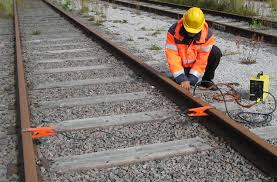
A false occupied indication may be caused by low insulation resistance, a broken rail, a faulty relay, damaged wiring, or debris across the rails acting as a shunt. The first step is to visually inspect the track circuit for obvious problems such as broken wires, damaged components, wet ballast, or conductive material across the rails.
Voltage and current measurements should then be taken at different points in the circuit to locate opens, shorts, weak connections, or excessive resistance. A shunt test can also be performed to verify that the relay drops properly when a train or shunt condition is simulated.
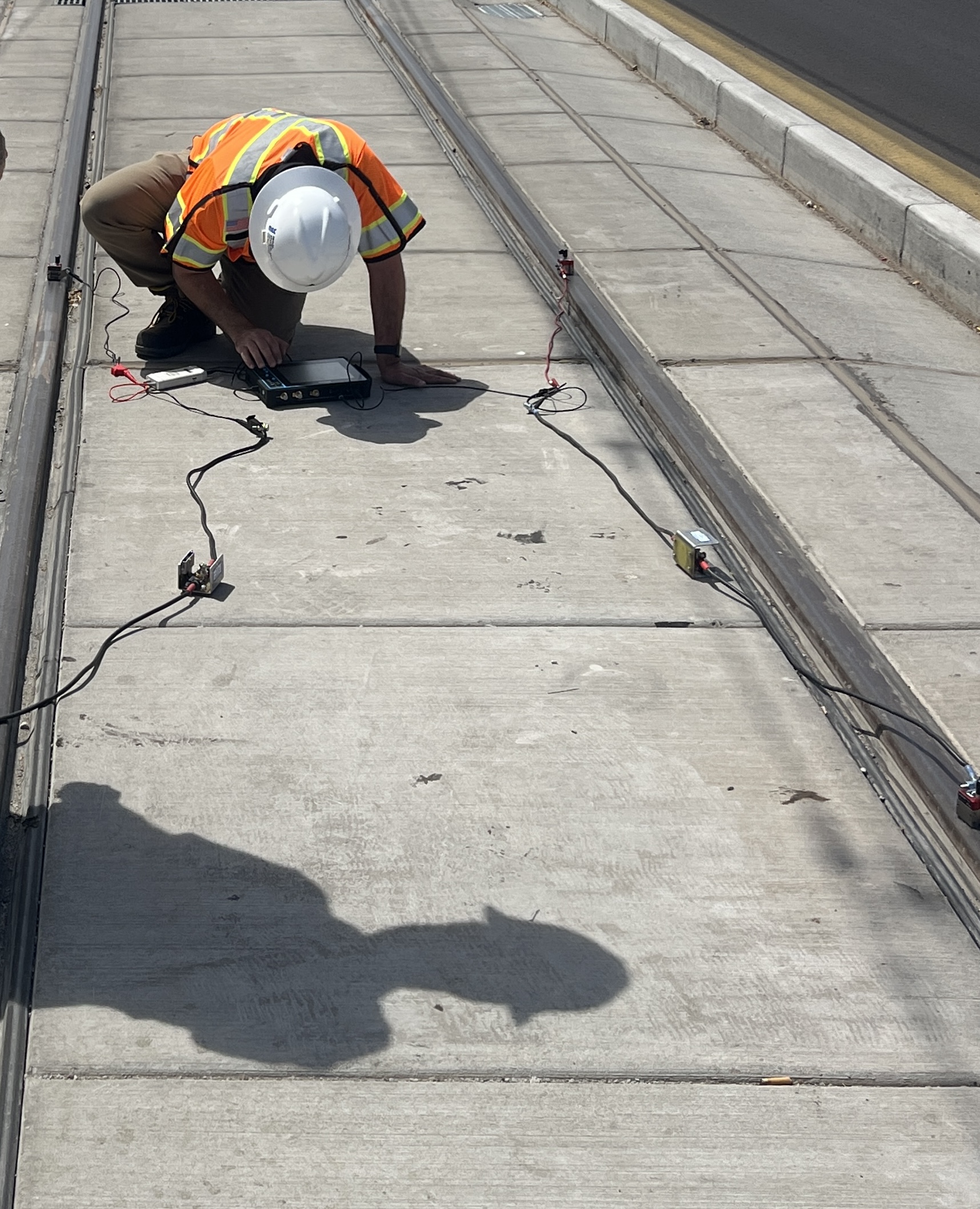
If the relay does not de-energize reliably during the shunt test, the relay may be defective, the circuit may have insufficient current, or there may be another resistance or connection problem in the circuit.
Low insulation resistance is another common cause of DC track circuit trouble. A track insulation tester, often called a megger, can be used to measure resistance between the rails and ground. Wet ballast, dirt, salt, debris, or damaged insulation can create leakage paths that reduce track circuit performance.
Relay problems can be checked by testing coil resistance and inspecting the relay contacts. A faulty relay may require cleaning, adjustment, repair, or replacement. All troubleshooting steps, readings, and repairs should be documented for future maintenance and trend analysis.